


-

Add: HeBei ShengShi HongBang Cellulose Technology CO.,LTD.
-

Email
13180486930@163.com -

CONTACT US
+86 13180486930
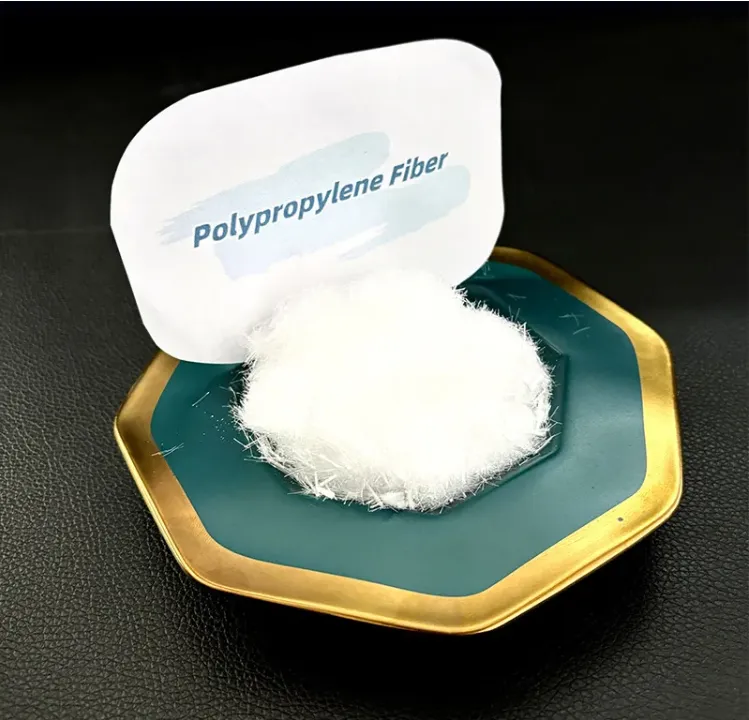



Hemp polypropylene is rapidly gaining traction in the materials industry as an innovative and sustainable alternative to traditional plastics. Over the past few years, the demand for eco-friendly materials has soared, making this composite material a highly sought-after product. Combining the strength and versatility of polypropylene with the ecological benefits of hemp, this innovative product is redefining expectations across various industries. Hemp, a variety of the Cannabis sativa plant species, has been used for centuries due to its robust fiber and minimal environmental impact. Its use in polypropylene composites is a cutting-edge application that positions it well in the sustainable plastics market. Polypropylene itself is a widely used plastic, valued for its lightweight, yet durable properties . When these two materials are combined, the resulting composite offers enhanced strength, decreased reliance on fossil fuels, and reduced carbon footprint. In real-world applications, hemp polypropylene demonstrates remarkable potential. It is gaining popularity in the automotive industry, where manufacturers are seeking lightweight, yet strong alternatives for car parts. By substituting traditional plastics with hemp polypropylene, companies can reduce vehicle weight, thus improving fuel efficiency and lowering emissions. This contributes to global efforts aimed at reducing the transportation sector's environmental impact. Moreover, the construction industry is exploring the use of hemp polypropylene in building materials. Its resilience and thermal insulation properties make it an attractive option for both interior and exterior applications. By incorporating such materials, builders can create more energy-efficient structures capable of withstanding harsh environmental conditions. From a production standpoint, the integration of hemp into polypropylene does not necessitate major adjustments in existing manufacturing processes. The fibers of hemp are easily mixed with polypropylene, creating a composite that retains the desirable properties of conventional plastics while enhancing its eco-friendliness. Additionally, hemp crops are low-maintenance and require fewer resources compared to other industrial crops, further minimizing production costs and environmental impact. hemp polypropylene In terms of reliability and authority, hemp polypropylene stands on firm ground. Industry experts acknowledge its potential, supported by exhaustive research and continuous innovation. Institutions across the globe are investing in the development of bio-composite materials, seeking to optimize their performance and widen their applications. As more companies adopt hemp polypropylene, it is finding robust support and validation through endorsements by leading environmental and materials science organizations. Trustworthiness is an essential attribute and hemp polypropylene is verified by rigorous testing to meet industry standards. Its performance in both laboratory and field settings consistently reflects its reliability. Certifications by independent entities further solidify its credibility, ensuring that products made from this material can withstand the rigors of everyday use. The rise of hemp polypropylene is also fueled by an increased awareness among consumers about sustainability. As ecological consciousness becomes mainstream, customers prioritize products that reflect responsible environmental stewardship. Brands that utilize hemp polypropylene demonstrate their commitment to reducing ecological impact, which resonates well with eco-minded consumer bases. Furthermore, advancements in technology are enhancing the potential of hemp polypropylene. Sophisticated processing techniques are enabling more precise tailoring of this material's properties to meet specific industry needs. Innovations such as improved fiber treatment methods and nano-scale composite structures are paving the way for even more applications and improved performance. In conclusion, hemp polypropylene is more than just an emerging sustainable alternative—it's a transformative material that embodies the synergy of innovation and environmental responsibility. Its applications across industries like automotive and construction underline its versatility and appeal. As an expert in this field, the continuous evolution and acceptance of hemp polypropylene point towards an exciting, sustainable future for both manufacturers and consumers alike. By choosing hemp polypropylene, industries gain not just an effective alternative, but a pioneering material that aligns with modern environmental imperatives and consumer expectations.
- 40000tons

Production
- 20+years

Experience
- 5000+㎡

Acreage

-
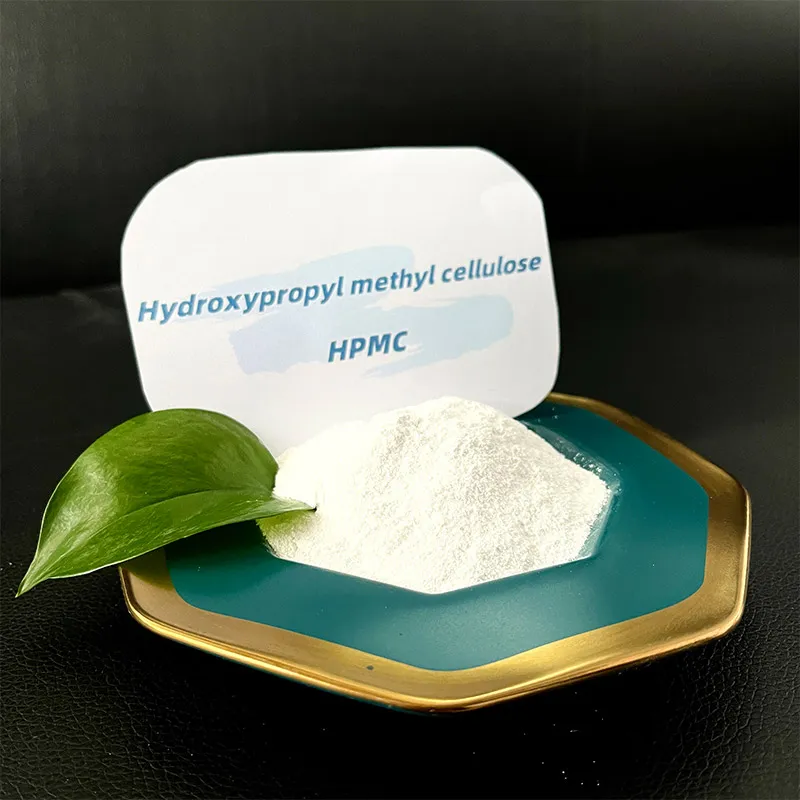
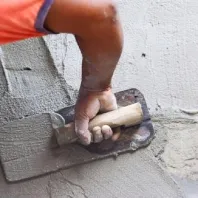
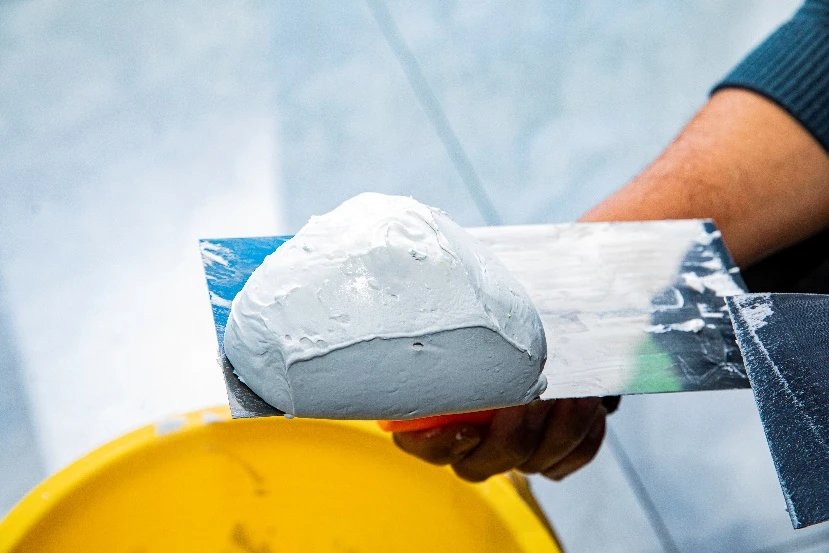
Hydroxypropyl methylcellulose (HPMC) stands as a versatile compound widely utilized across numerous industries, each benefiting from its unique properties. Its application spans from pharmaceuticals and food production to construction and personal care products, underlining its integral role in everyday life. In the pharmaceutical industry, HPMC is renowned for its use as a binder and release agent in tablet formulations. Due to its non-toxic and biodegradable nature, it provides an effective solution for delivering active ingredients in medications. Its property of being a stable agent ensures consistent performance, making it an integral part of many tablet coatings. One personal account from a formulation scientist highlights the element of control HPMC provides, stating, “In our tablet development, HPMC offers the exact disintegration time we aim for, which is crucial for efficacy and patient compliance.” In the realm of food production, HPMC serves as an emulsifier, thickener, and stabilizer, playing a pivotal role in texture improvement and shelf-life extension. The bread and bakery sector especially benefits from HPMC’s water retention capabilities, which enhance freshness and softness of baked products. Expert bakers affirm that its inclusion leads to a more uniform crumb structure in bread, thus ensuring high-quality final products that retain moisture longer without compromising flavor or texture. The construction industry utilizes HPMC as a key component in producing high-performance cement and drywall applications. Its water retention and workability properties improve the performance of cement-based products significantly. A construction material engineer notes, “HPMC in construction mixes leads to better adhesion and workability, reducing waste and increasing longevity of the structure.” This is especially relevant in modern buildings where energy efficiency and building integrity are of utmost importance. hydroxypropyl methyl cellulose uses Personal care products such as shampoos, lotions, and toothpaste also capitalize on the thickening and stabilizing properties of HPMC. Its inert behavior and compatibility with other components make it ideal for delicate skin care formulations. For instance, in hair care products, HPMC helps maintain the desired viscosity for a luxurious application experience, while ensuring product stability over time. Dermatology experts trust HPMC for sensitive skin formulas due to its non-irritant profile, which is essential for hypoallergenic products. In the context of environmental consciousness, HPMC’s biodegradable nature aligns with sustainable practices in manufacturing and product formulations. This attribute makes it an appealing choice for companies aiming to reduce their environmental footprint. Hospitals and medical facilities adopting green practices prefer using HPMC-based disposable medical supplies, as it supports their commitment to environmentally friendly practices. Research and development sectors continually explore HPMC’s potential to formulate new products. Its multifunctional capabilities open avenues for innovation, allowing scientists to develop new materials that could revolutionize existing solutions in various fields. For example, the emerging research into its use in 3D printing materials promises a future where HPMC-based bio-inks could significantly impact medical prosthetics and tissue engineering. In conclusion, hydroxypropyl methylcellulose is not merely a compound but a bridge to innovative solutions across industries . Its non-toxic, biodegradable properties combined with its multifunctional use underscore its importance. For businesses and professionals, understanding and harnessing the applications of HPMC can lead to significant advancements in product design and sustainability. Its extensive use cases and continual presence in cutting-edge research position it as a valuable asset in global industrial practices.
-
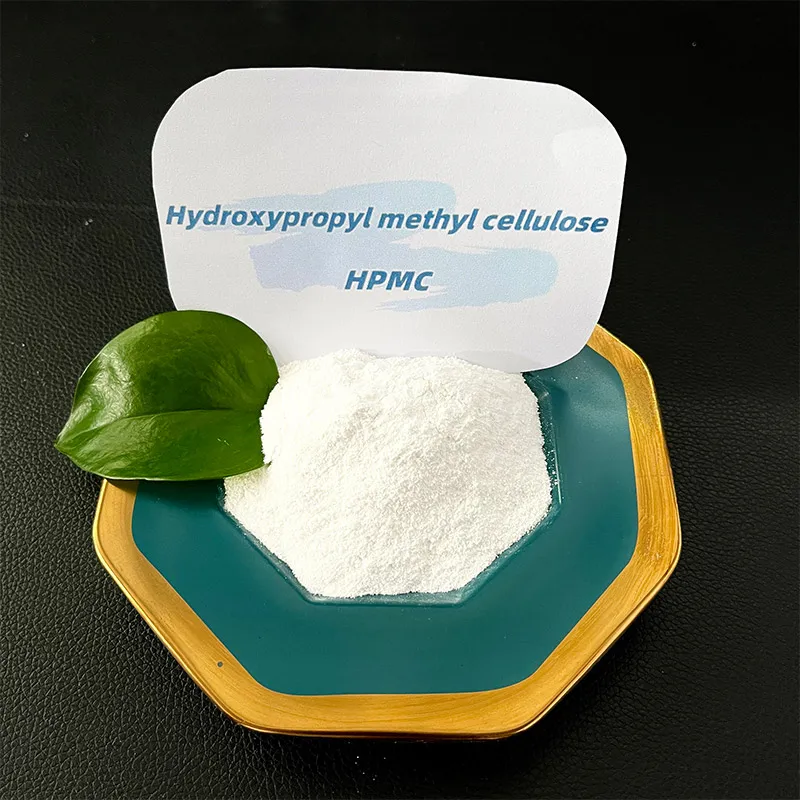
Hydroxypropyl Methyl Cellulose (HPMC) has emerged as a versatile material in various industries, offering unique properties that benefit a wide range of applications. In underwater concrete, it plays a critical role in improving the performance of the mixture. This article delves into the use of HPMC cellulose in underwater concrete, focusing on how it enhances durability, workability, and overall performance in challenging environments. HPMC Cellulose and Its Role in Underwater Concrete Mixes When discussing underwater concrete, it’s essential to highlight the importance of achieving the right consistency and strength under harsh conditions. HPMC cellulose significantly contributes to these properties by acting as a stabilizing agent. This particular form of cellulose is known for its water retention capabilities, which help keep the mixture workable for longer periods, especially in environments like underwater construction where the concrete is subjected to challenging pressures and varying temperatures. In underwater concrete, where the mixture is prone to washing out or segregation, HPMC ensures that the aggregates stay properly dispersed, leading to a more uniform and durable mix. By controlling the rate of hydration, HPMC cellulose prevents the early loss of moisture that could weaken the structure, making it an invaluable component in creating strong, resilient underwater concrete. The Role of HPMC Dextran in Enhancing Concrete Durability Another critical agent in underwater concrete is HPMC dextran . Combining HPMC with dextran, a complex sugar molecule, creates a modified form that enhances the concrete's ability to resist environmental stressors. Underwater construction sites often experience exposure to saltwater, which can significantly weaken concrete over time due to corrosion. With HPMC dextran , the concrete gains additional resistance to corrosion and chemical attack, extending the longevity of the structure. The presence of dextran in the mixture further improves the flowability of the concrete, making it easier to work with even under the most challenging conditions. This enhanced fluidity allows for better filling of complex molds and cracks in underwater environments, ensuring that the concrete cures effectively and remains durable. Using HPMC Dextran 70 for Specialized Underwater Concrete Applications For more demanding underwater projects, HPMC dextran 70 is the go-to choice. This specific grade of HPMC-dextran offers a higher molecular weight, providing superior thickening properties that contribute to even more stable concrete mixes. Whether constructing piers, bridges, or other submerged structures, HPMC dextran 70 provides the ideal viscosity for ensuring the mixture stays in place during application and hardens uniformly once in position. This enhanced viscosity also improves the handling of underwater concrete, reducing the risk of segregation and ensuring the mix remains intact as it sets. The higher molecular weight of HPMC dextran 70 contributes to increased water retention and slower curing rates, which are crucial in underwater applications where the setting time must be carefully controlled to avoid premature hardening or washout. HPMC Hydroxypropyl Methyl Cellulose: A Key Component for Enhanced Workability in Underwater Concrete The benefits of HPMC hydroxypropyl methyl cellulose go beyond simple moisture retention. This modified cellulose compound is known for its ability to improve workability, an essential factor when dealing with underwater concrete mixes. The concrete’s consistency directly impacts its ease of placement, particularly when pouring in deep or tight spaces underwater. By incorporating HPMC hydroxypropyl methyl cellulose , the mix maintains its workability, ensuring that the concrete can be easily manipulated and poured into molds or forms underwater. The material also contributes to an extended open time, which is especially beneficial for workers who need more time to finish and adjust the concrete before it sets. This additional flexibility is vital in large underwater projects where precision and timing are crucial. In conclusion, HPMC plays an indispensable role in the development of underwater concrete by improving its performance and longevity. Whether it's HPMC cellulose , HPMC dextran , HPMC dextran 70 , or HPMC hydroxypropyl methyl cellulose , these compounds are integral to creating concrete that can withstand the pressures and challenges of underwater environments. If you’re looking to achieve the highest standards in underwater concrete, consider integrating HPMC into your mix. Visit our website to explore more about our high-quality HPMC products and how they can revolutionize your construction projects.
advantages
-

200000 Viscosities
Excellent product
We can produce pure products up to 200,000 viscosities
-

40000 tons
High yield
We don’t stop production all year round, and the annual output can reach 40,000 tons
-

24 hours
Quality service
We provide 24-hours online reception service, welcome to consult at any time
———— Inquiry Form
Schedule A services

-
 nylon_is_a_man_made
Oct . 25, 2025
Redispersible emulsion powder is a vital ingredient in modern construction materials, offering numer -
 apa_itu_selulosa_yang_terbuat_dari_kayu
Oct . 25, 2025
Hydroxypropyl methylcellulose (HPMC) has been a prominent player in the world of construction and ph -
 xylem_fiber_function
Oct . 25, 2025
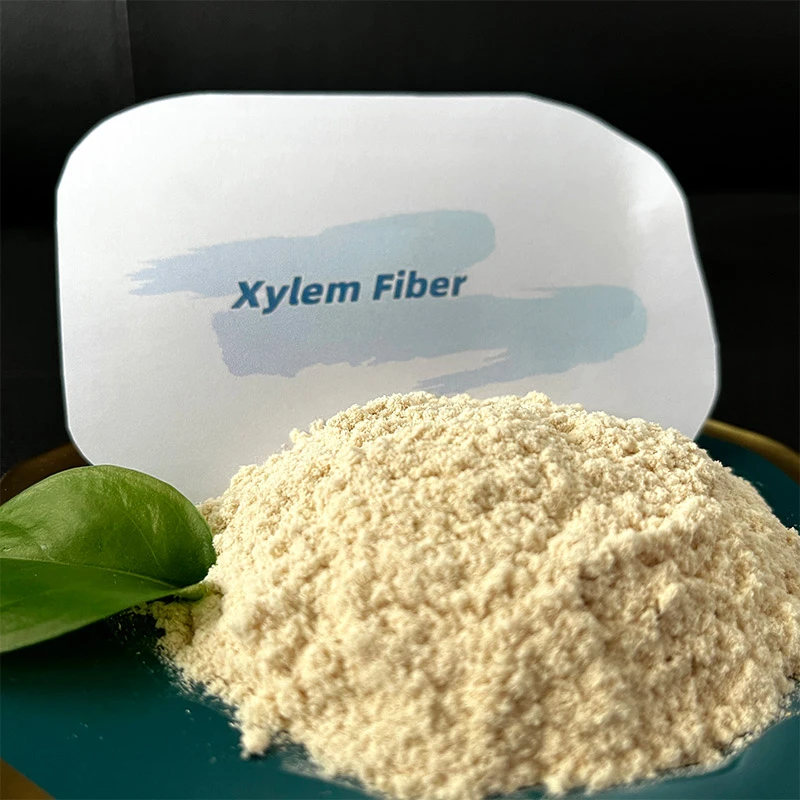
Hydroxypropyl Methyl Cellulose HPMC is a highly versatile cellulose ether widely used in various ind


